
-
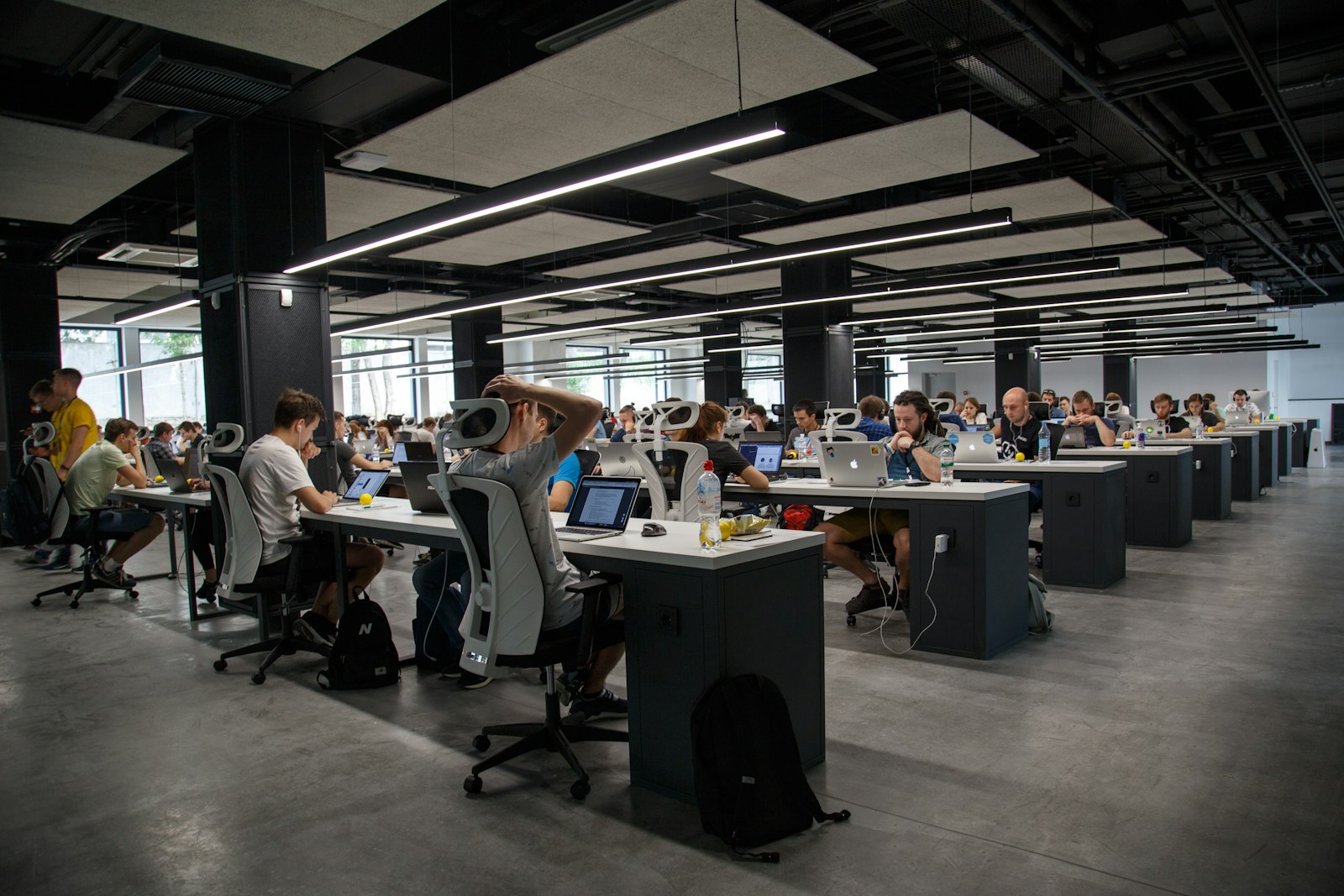
AI Automation, Skills and the Changing Job Market: What Workers Need to Know
AI is changing jobs less like a single replacement wave than a redesign of tasks. The strongest evidence points to growing demand for AI literacy, data judgment, analytical thinking and human skills—alongside a pressing need for accessible training.
-

Generative AI and the New Craft of Content Creation
Generative AI is changing content creation from a production line into a supervised craft: people define intent, supply context, test claims, shape voice and take responsibility for what reaches an audience.
-

From AI Pilots to Useful Workflows: How Businesses Are Making Artificial Intelligence Part of the Job
Businesses are moving beyond impressive AI demonstrations by redesigning workflows, connecting models to company data, and keeping people responsible for judgment, exceptions, and risk.
-
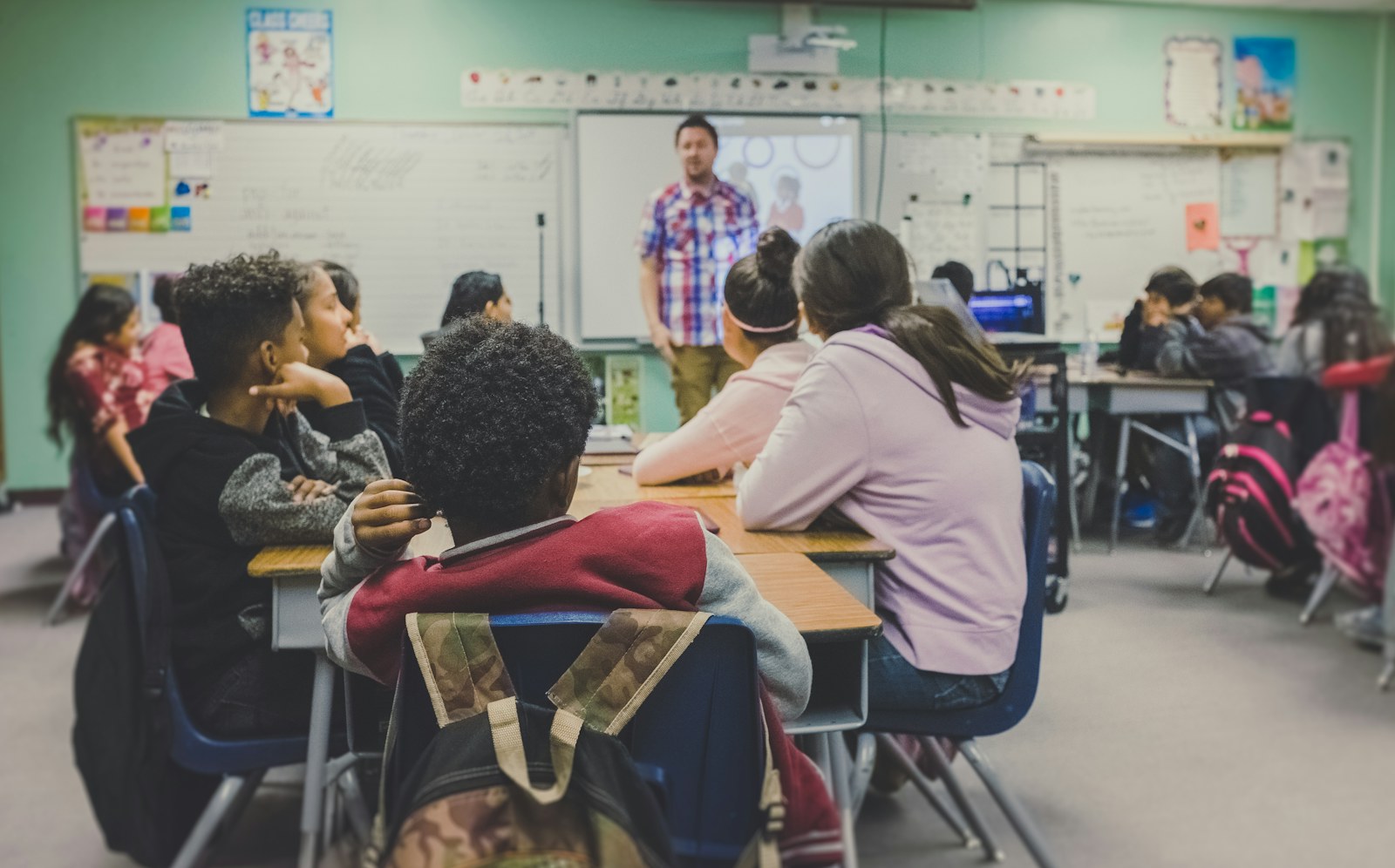
AI in Education: Personalisation, Assessment and the Teacher’s Role
AI can make learning support more adaptive, but it also exposes weaknesses in one-shot assessment and raises questions about privacy, fairness and human judgement. The practical future is not teacher versus machine: it is better-designed learning in which educators remain accountable for context, relationships and decisions.
-

Practical AI Tools for Students and Professionals: A Smarter Way to Learn and Work
From guided study and research support to drafting, analysis, and meeting preparation, today’s AI tools are most useful when they accelerate routine work without replacing judgment. Here is a practical, responsible way for students and professionals to use them.
-

How AI Assistants Are Moving Into Everyday Life
AI assistants are moving beyond chat windows into phones, browsers, photos, passwords, classrooms and office routines. The shift promises less routine work—but makes privacy, verification and human judgment more important.