
-

A Practical Guide to Evaluating New Technology Claims
New technology claims can sound like guarantees. This practical guide shows how to separate a measurable capability from marketing language, test whether evidence applies to your situation, and make safer decisions about AI, apps, devices, and services.
-

The Technology Skills That Matter as Digital Work Changes
Digital work is changing, but the winning skill set is broader than coding: AI and data fluency, cybersecurity habits, analytical thinking, and the ability to keep learning now matter across almost every career.
-

Robots, Smart Homes and the Push Toward Ambient Computing
From AI assistants that interpret a household’s context to mobile robots that can inspect a room, computing is moving into the background of everyday life. The opportunity is convenience and accessibility—but the transition also raises practical questions about privacy, safety, interoperability and human control.
-

Beyond the Chatbot: How Major Technology Companies Are Building AI Platforms
The AI race is moving from individual models to complete platforms that connect models with data, tools, agents, governance, and cloud infrastructure. Here is how Google, Microsoft, Amazon, OpenAI, and Meta are assembling those systems—and what the shift means for everyday users, students, and professionals.
-
China’s Electric Vehicles, Batteries and the Technology Ecosystem
China’s EV advantage is not one breakthrough alone: it is the result of a tightly connected system spanning batteries, vehicle manufacturing, software, charging, standards and overseas supply chains.
-
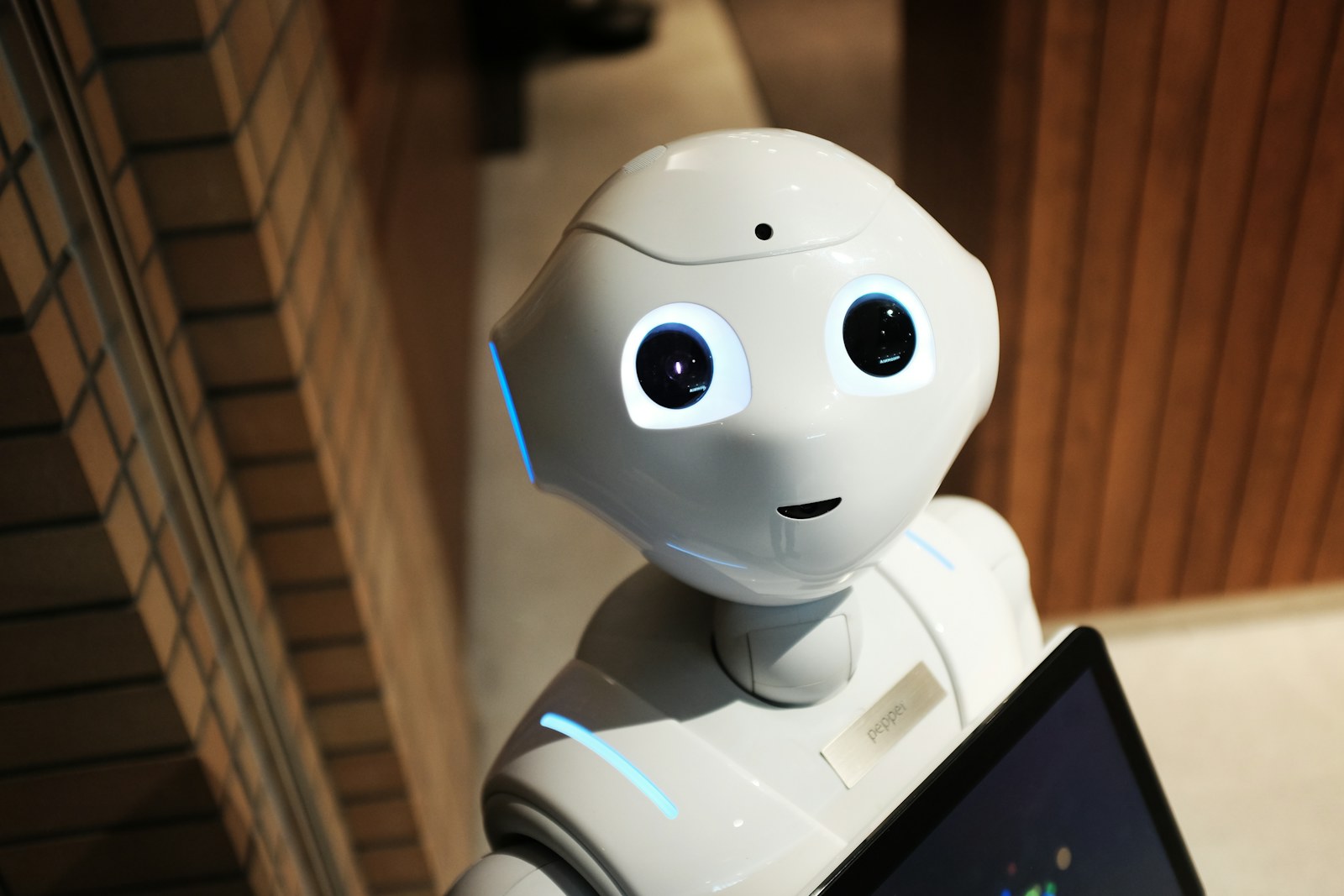
Japan’s Robotics Industry: From Factories to Care and Services
Japan’s robotics story extends far beyond factory arms: industrial automation remains a major economic strength, while policy, universities and companies are testing robots and wearable systems for care, rehabilitation, hospitality and everyday independence.
-
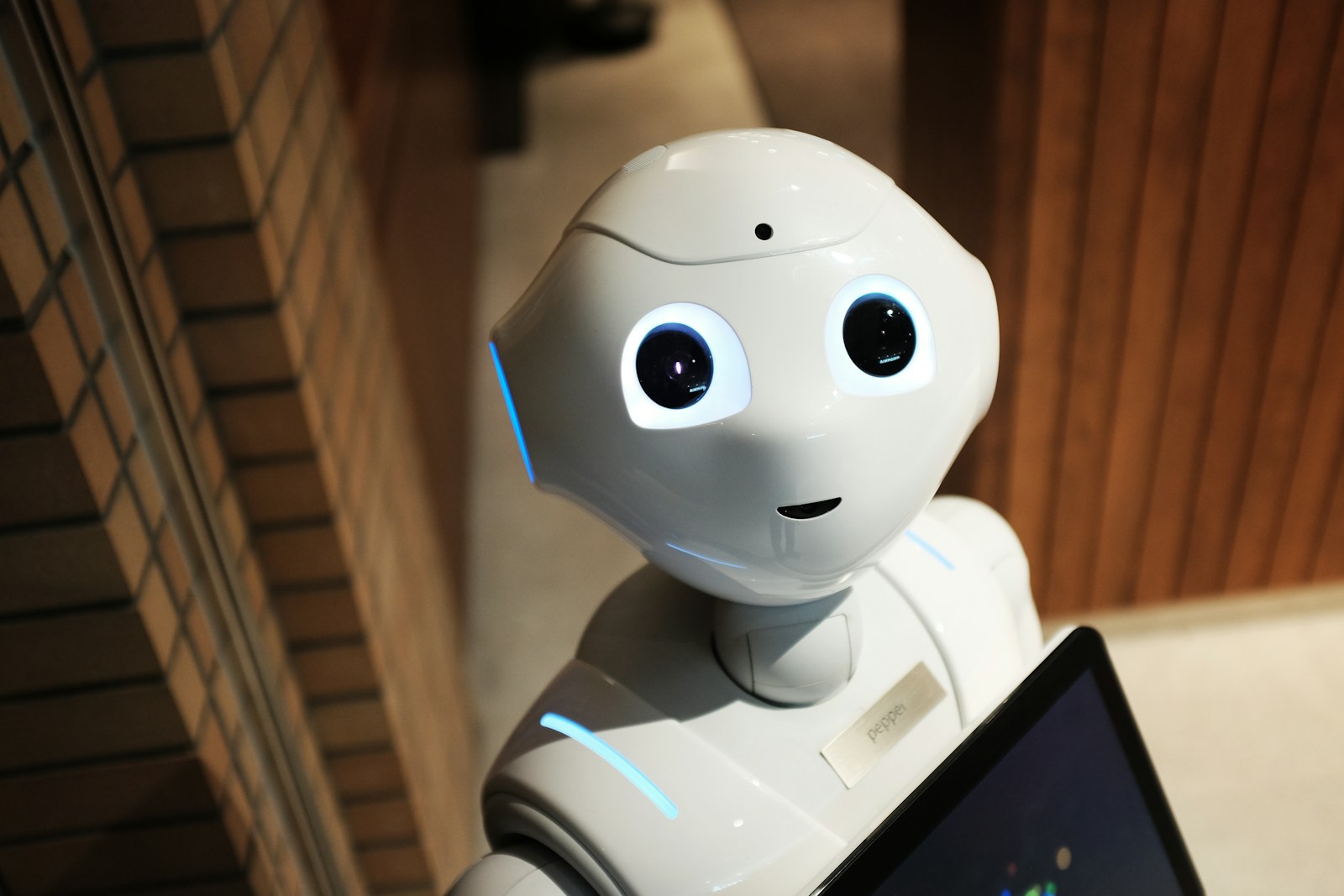
Japan’s Robotics Industry: From Factories to Care and Services
Japan’s robotics story extends far beyond factory arms: industrial automation remains a major economic strength, while policy, universities and companies are testing robots and wearable systems for care, rehabilitation, hospitality and everyday independence.
-

South Korea’s Semiconductor Strategy: Can Memory Keep Its Global Edge in the AI Era?
South Korea’s semiconductor strategy is moving beyond sheer chip volume. Government finance, cluster infrastructure, HBM investment and a dense supplier ecosystem are being combined to protect the country’s memory leadership while artificial-intelligence data centres reshape what the world values in a memory chip.
-

South Korea’s Semiconductor Strategy: Can Memory Keep Its Global Edge in the AI Era?
South Korea’s semiconductor strategy is moving beyond sheer chip volume. Government finance, cluster infrastructure, HBM investment and a dense supplier ecosystem are being combined to protect the country’s memory leadership while artificial-intelligence data centres reshape what the world values in a memory chip.
-

India’s Digital Public Infrastructure and the Next Wave of Innovation
India’s digital public infrastructure is evolving from a set of payment and identity services into reusable rails for commerce, documents, data sharing and public services. Its next phase will depend not only on scale, but also on interoperability, inclusion, privacy and the ability of innovators to build responsibly on shared foundations.