
-

The Modern Operating System: Security, Updates and Compatibility
An operating system is no longer a one-time product installed on a device: it is a continuously maintained security layer whose update policy, hardware support and app compatibility shape everyday digital life.
-
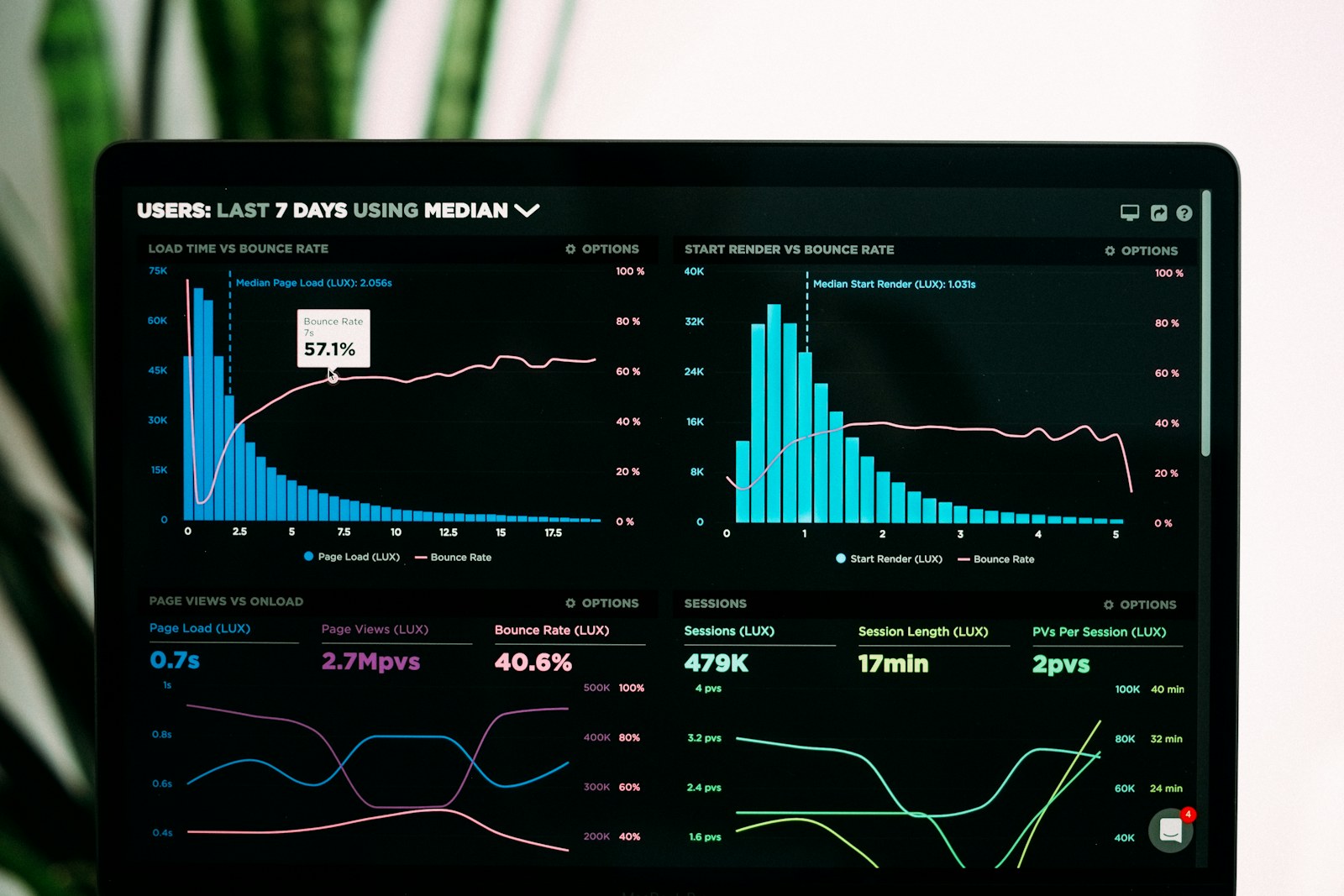
From SSDs to Object Storage: How Digital Data Is Kept
Your files may begin as electrical charges in an SSD, but keeping them safe at scale requires layers of controllers, software, replication, access rules and preservation checks. Here is how storage moves from a laptop drive to cloud object storage—and what that means for everyday users, students and professionals.
-
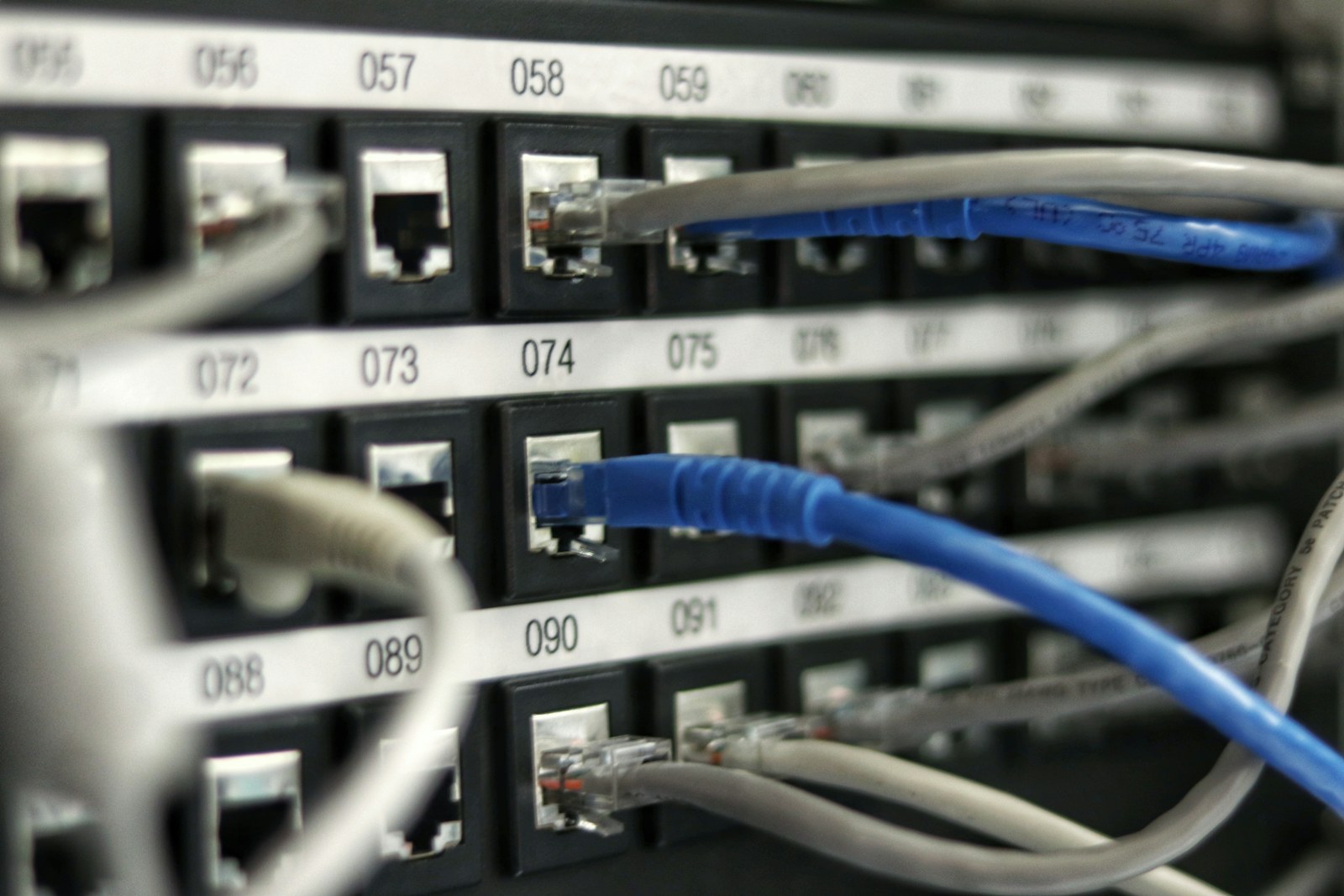
Cloud Computing Explained: What Happens to Your Data and Apps
Cloud computing is not a mysterious place in the sky: it is rented computing, storage, networking, and software running in physical data centers. Here is what happens when you open a cloud app, where your data goes, and what users and organizations still need to protect.
-
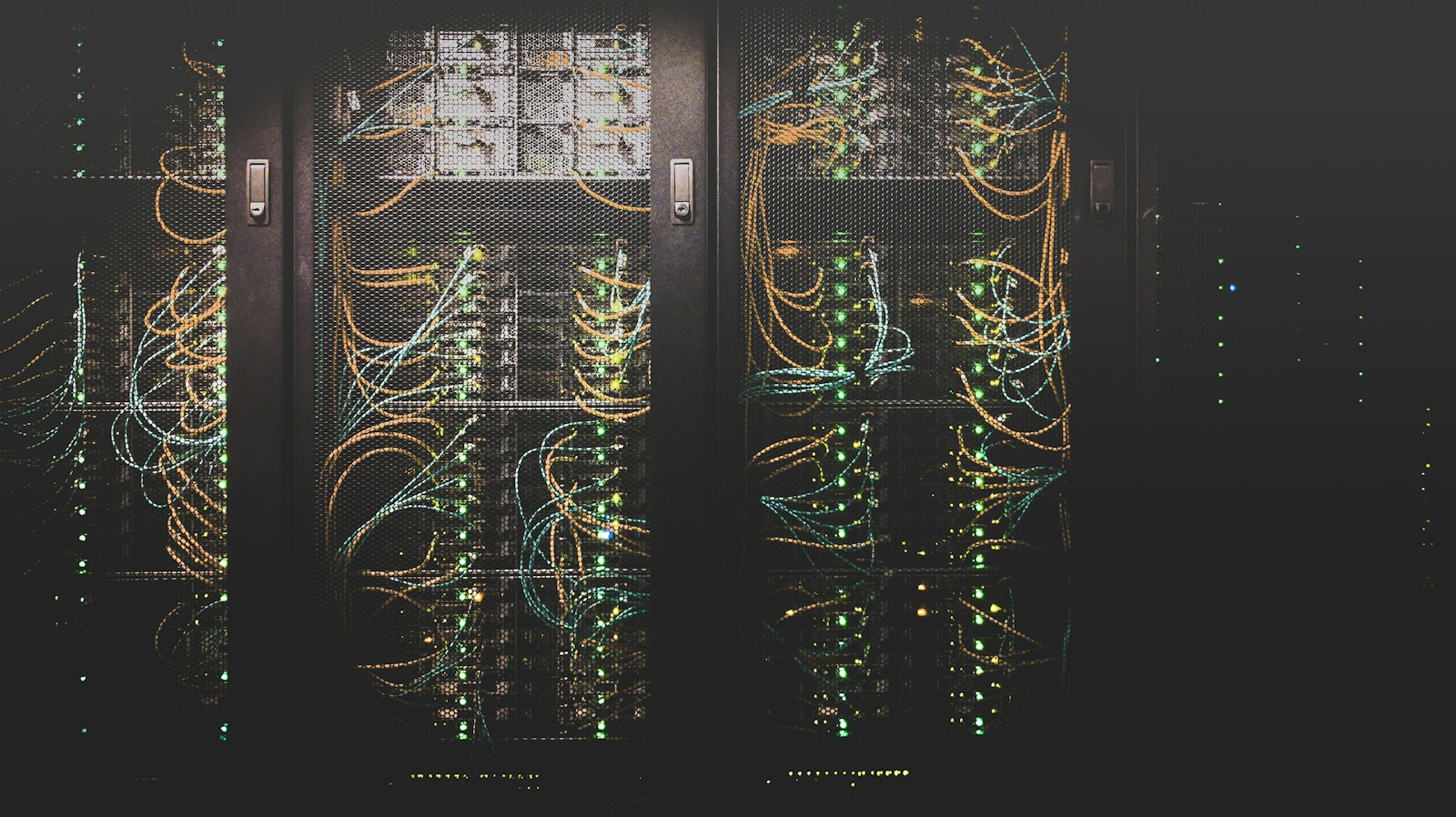
Online Privacy in the Age of Apps, Brokers and AI: What Your Data Reveals—and How to Take Back Control
Apps, data brokers and AI systems turn ordinary clicks, locations and prompts into valuable personal profiles. Here is what is confirmed, where the risks arise, and what students, professionals and everyday users can do now.
-

Passkeys, Phishing and the New Basics of Online Safety
Passkeys make a major class of phishing attacks harder by binding a cryptographic sign-in to the legitimate website. They are not a substitute for careful recovery, device security, and healthy skepticism—but they reset what good everyday account protection should look like.
-

The AI Hardware Race: GPUs, NPUs and the Push Toward More Efficient Computing
AI hardware is moving beyond the familiar CPU-versus-GPU debate. Data-centre GPUs, cloud TPUs, laptop NPUs, memory and networking are being designed as one computing system—with efficiency becoming as important as raw speed.
-
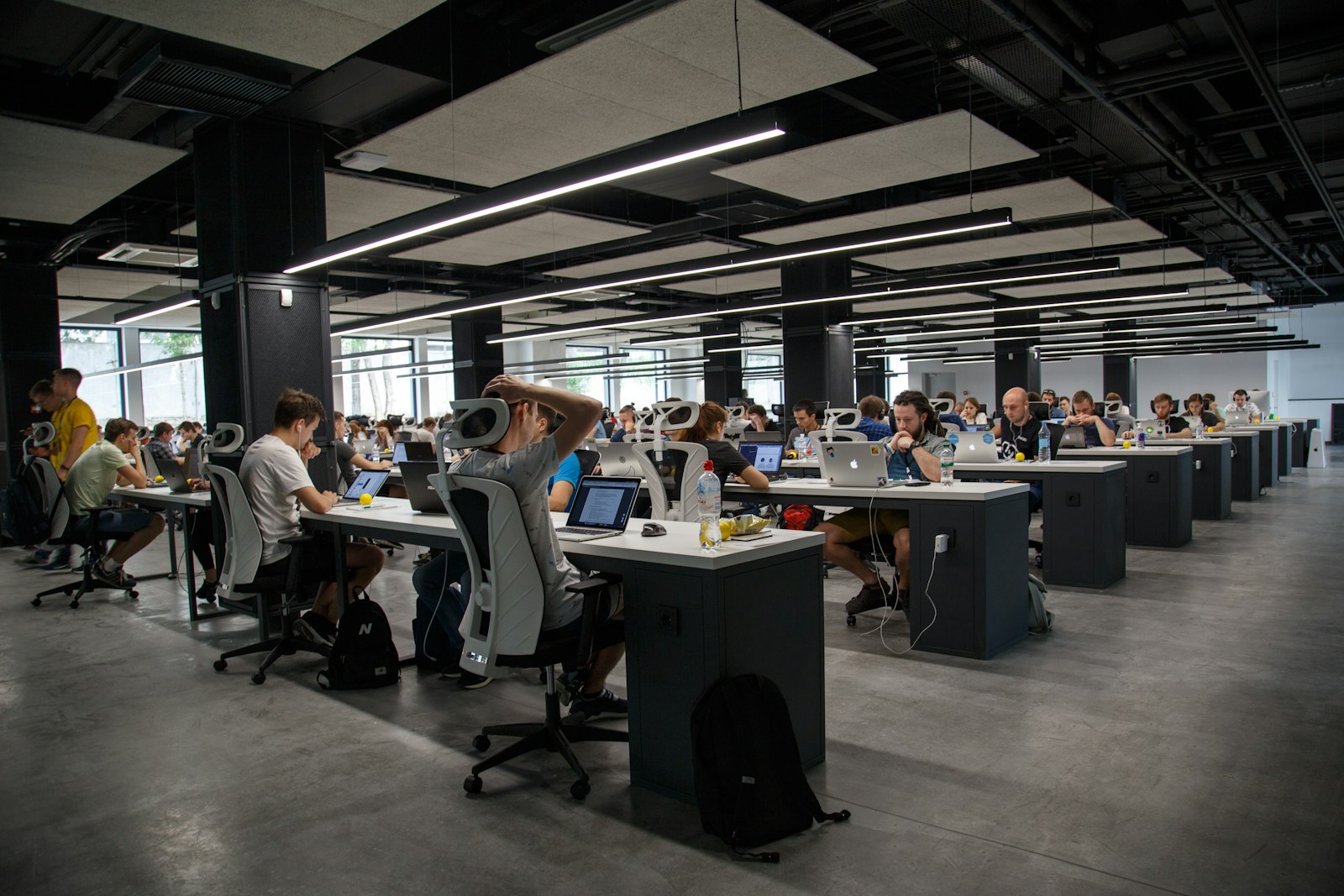
AI Automation, Skills and the Changing Job Market: What Workers Need to Know
AI is changing jobs less like a single replacement wave than a redesign of tasks. The strongest evidence points to growing demand for AI literacy, data judgment, analytical thinking and human skills—alongside a pressing need for accessible training.
-

Generative AI and the New Craft of Content Creation
Generative AI is changing content creation from a production line into a supervised craft: people define intent, supply context, test claims, shape voice and take responsibility for what reaches an audience.
-

From AI Pilots to Useful Workflows: How Businesses Are Making Artificial Intelligence Part of the Job
Businesses are moving beyond impressive AI demonstrations by redesigning workflows, connecting models to company data, and keeping people responsible for judgment, exceptions, and risk.
-

AI in Education: Personalisation, Assessment and the Teacher’s Role
AI can make learning support more adaptive, but it also exposes weaknesses in one-shot assessment and raises questions about privacy, fairness and human judgement. The practical future is not teacher versus machine: it is better-designed learning in which educators remain accountable for context, relationships and decisions.