
Ideas that make technology clearer
Independent, practical explainers on artificial intelligence, computers, cybersecurity, digital life and the people building what comes next.

A Practical Guide to Evaluating New Technology Claims
New technology claims can sound like guarantees. This practical guide shows how to separate a measurable capability from marketing language, test whether evidence applies to your situation, and make safer decisions about AI, apps, devices, and services.
Read article
The Technology Skills That Matter as Digital Work Changes
Digital work is changing, but the winning skill set is broader than coding: AI and data fluency, cybersecurity habits, analytical thinking, and the ability to keep learning now matter across almost every career.
Read article
Robots, Smart Homes and the Push Toward Ambient Computing
From AI assistants that interpret a household’s context to mobile robots that can inspect a room, computing is moving into the background of everyday life. The opportunity is convenience and accessibility—but the transition also raises practical questions about privacy, safety, interoperability and human control.
Read article
Beyond the Chatbot: How Major Technology Companies Are Building AI Platforms
The AI race is moving from individual models to complete platforms that connect models with data, tools, agents, governance, and cloud infrastructure. Here is how Google, Microsoft, Amazon, OpenAI, and Meta are assembling those systems—and what the shift means for everyday users, students, and professionals.
Read article
China’s Electric Vehicles, Batteries and the Technology Ecosystem
China’s EV advantage is not one breakthrough alone: it is the result of a tightly connected system spanning batteries, vehicle manufacturing, software, charging, standards and overseas supply chains.
Read article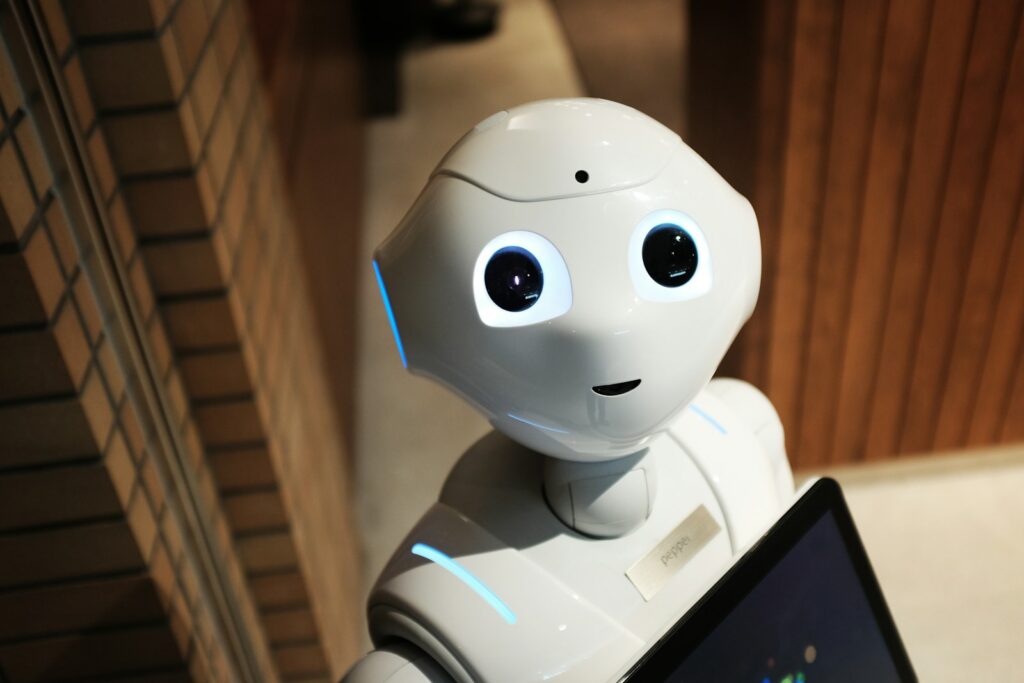
Japan’s Robotics Industry: From Factories to Care and Services
Japan’s robotics story extends far beyond factory arms: industrial automation remains a major economic strength, while policy, universities and companies are testing robots and wearable systems for care, rehabilitation, hospitality and everyday independence.
Read article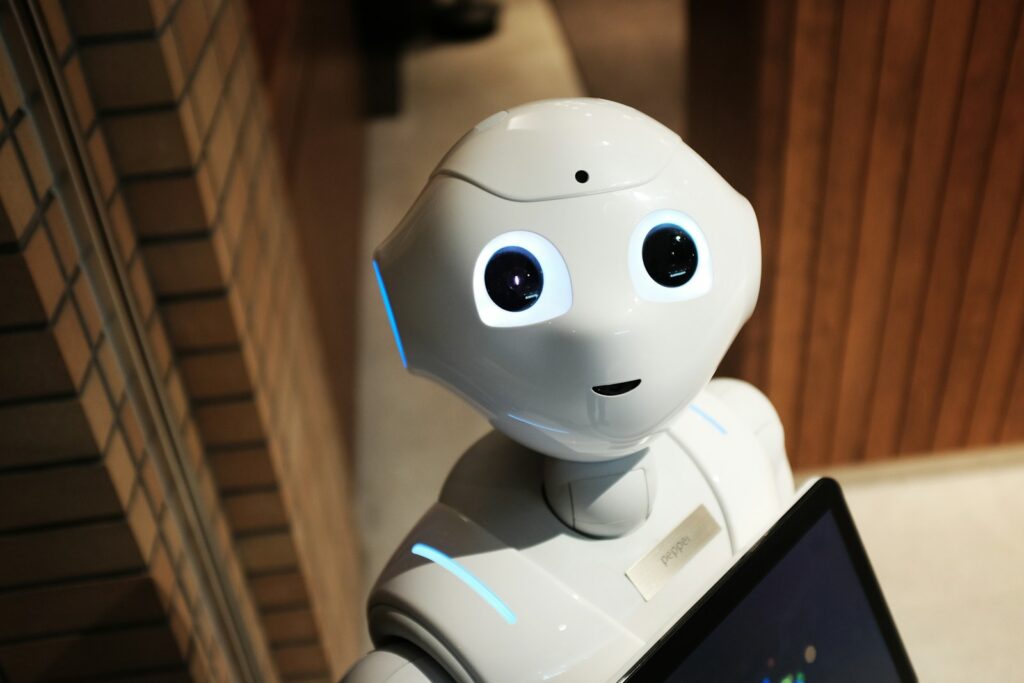
Japan’s Robotics Industry: From Factories to Care and Services
Japan’s robotics story extends far beyond factory arms: industrial automation remains a major economic strength, while policy, universities and companies are testing robots and wearable systems for care, rehabilitation, hospitality and everyday independence.
Read article
South Korea’s Semiconductor Strategy: Can Memory Keep Its Global Edge in the AI Era?
South Korea’s semiconductor strategy is moving beyond sheer chip volume. Government finance, cluster infrastructure, HBM investment and a dense supplier ecosystem are being combined to protect the country’s memory leadership while artificial-intelligence data centres reshape what the world values in a memory chip.
Read article
South Korea’s Semiconductor Strategy: Can Memory Keep Its Global Edge in the AI Era?
South Korea’s semiconductor strategy is moving beyond sheer chip volume. Government finance, cluster infrastructure, HBM investment and a dense supplier ecosystem are being combined to protect the country’s memory leadership while artificial-intelligence data centres reshape what the world values in a memory chip.
Read article
India’s Digital Public Infrastructure and the Next Wave of Innovation
India’s digital public infrastructure is evolving from a set of payment and identity services into reusable rails for commerce, documents, data sharing and public services. Its next phase will depend not only on scale, but also on interoperability, inclusion, privacy and the ability of innovators to build responsibly on shared foundations.
Read article
The Modern Operating System: Security, Updates and Compatibility
An operating system is no longer a one-time product installed on a device: it is a continuously maintained security layer whose update policy, hardware support and app compatibility shape everyday digital life.
Read article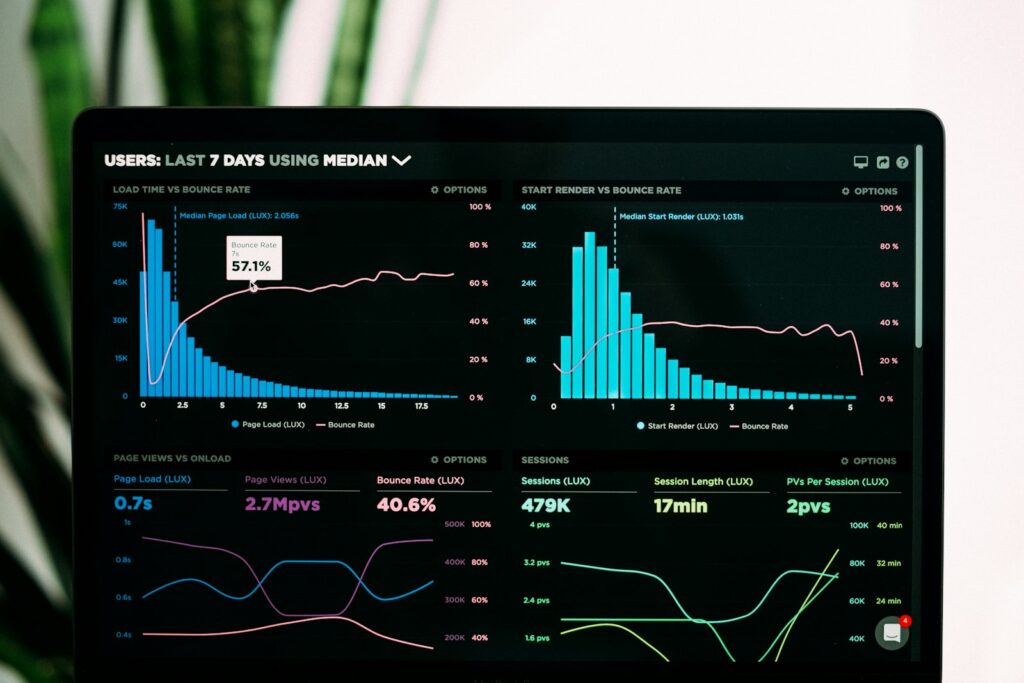
From SSDs to Object Storage: How Digital Data Is Kept
Your files may begin as electrical charges in an SSD, but keeping them safe at scale requires layers of controllers, software, replication, access rules and preservation checks. Here is how storage moves from a laptop drive to cloud object storage—and what that means for everyday users, students and professionals.
Read article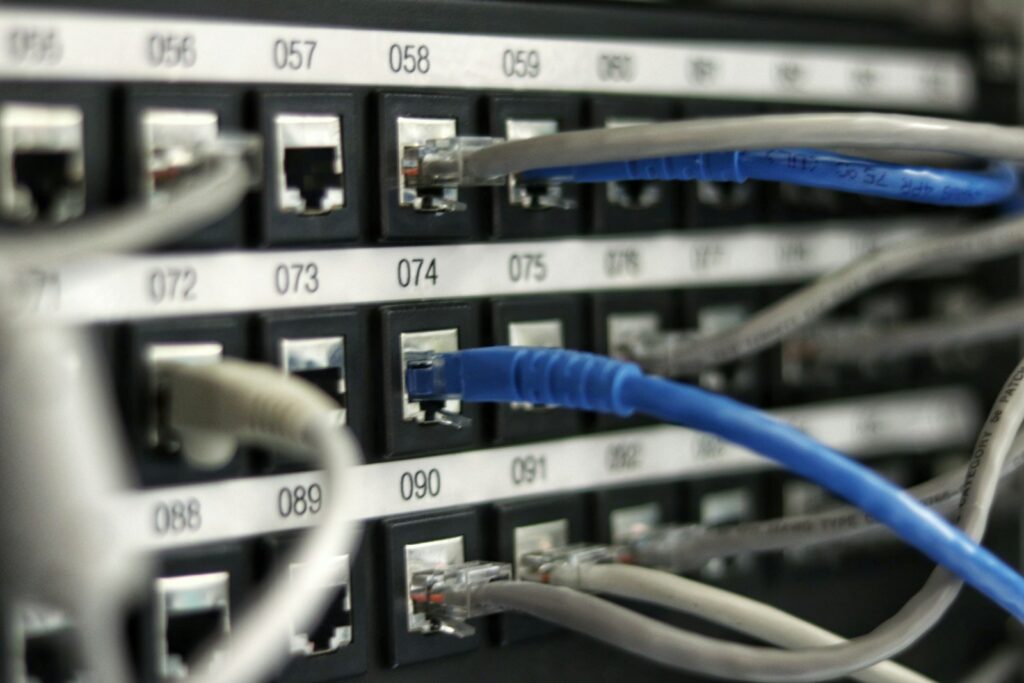
Cloud Computing Explained: What Happens to Your Data and Apps
Cloud computing is not a mysterious place in the sky: it is rented computing, storage, networking, and software running in physical data centers. Here is what happens when you open a cloud app, where your data goes, and what users and organizations still need to protect.
Read article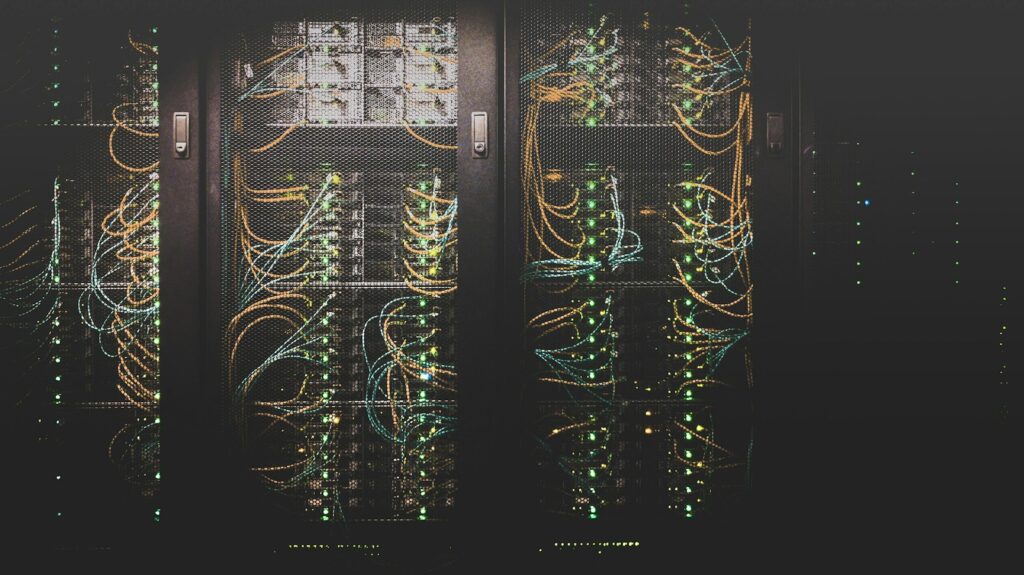
Online Privacy in the Age of Apps, Brokers and AI: What Your Data Reveals—and How to Take Back Control
Apps, data brokers and AI systems turn ordinary clicks, locations and prompts into valuable personal profiles. Here is what is confirmed, where the risks arise, and what students, professionals and everyday users can do now.
Read article
Passkeys, Phishing and the New Basics of Online Safety
Passkeys make a major class of phishing attacks harder by binding a cryptographic sign-in to the legitimate website. They are not a substitute for careful recovery, device security, and healthy skepticism—but they reset what good everyday account protection should look like.
Read article
The AI Hardware Race: GPUs, NPUs and the Push Toward More Efficient Computing
AI hardware is moving beyond the familiar CPU-versus-GPU debate. Data-centre GPUs, cloud TPUs, laptop NPUs, memory and networking are being designed as one computing system—with efficiency becoming as important as raw speed.
Read article
AI Automation, Skills and the Changing Job Market: What Workers Need to Know
AI is changing jobs less like a single replacement wave than a redesign of tasks. The strongest evidence points to growing demand for AI literacy, data judgment, analytical thinking and human skills—alongside a pressing need for accessible training.
Read article
Generative AI and the New Craft of Content Creation
Generative AI is changing content creation from a production line into a supervised craft: people define intent, supply context, test claims, shape voice and take responsibility for what reaches an audience.
Read article
From AI Pilots to Useful Workflows: How Businesses Are Making Artificial Intelligence Part of the Job
Businesses are moving beyond impressive AI demonstrations by redesigning workflows, connecting models to company data, and keeping people responsible for judgment, exceptions, and risk.
Read article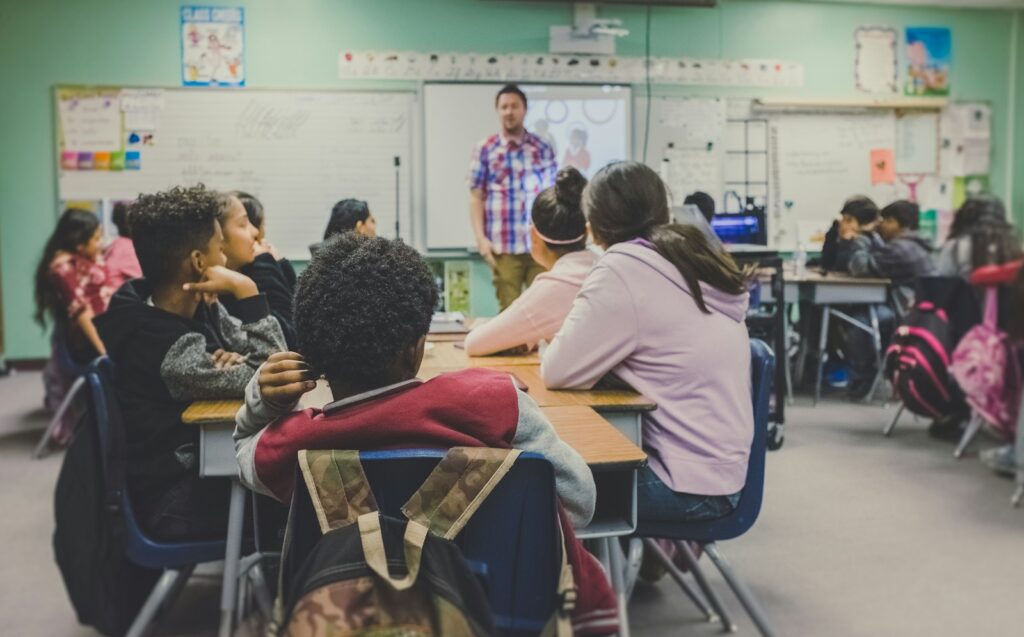
AI in Education: Personalisation, Assessment and the Teacher’s Role
AI can make learning support more adaptive, but it also exposes weaknesses in one-shot assessment and raises questions about privacy, fairness and human judgement. The practical future is not teacher versus machine: it is better-designed learning in which educators remain accountable for context, relationships and decisions.
Read article